When you click the link, it will take you to the corresponding page.
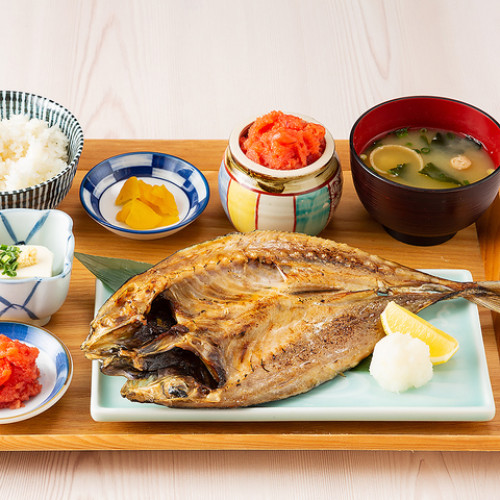
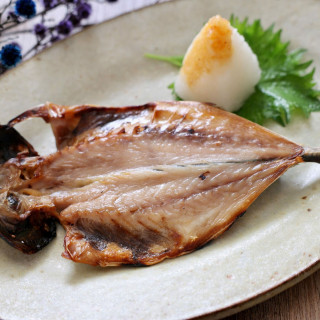
とろアジの開き定食
“Hiraki” is an abbreviation of sakana no hiraki (opened fish), referring to fish that has been split open along the belly or back and spread flat, or products that are dried in this form. The word comes from the noun form of hiraku (to open or spread). There are two main methods of splitting fish: sebiraki (back-cut) and harabiraki (belly-cut). The method used depends on the size of the fish, the type of processed product, and sometimes regional customs, such as in the preparation of eel kabayaki. In sebiraki, the fish is cut along the back so that the belly remains intact. This method is commonly used for drying saury or pollock, and for salting mackerel. In the Kanto region, eel kabayaki is prepared using this method. Historically, because Kanto was influenced by samurai culture, cutting the belly (harabiraki) was avoided as it evoked seppuku (ritual disembowelment). In harabiraki, the fish is split along the belly so that the back remains intact. The gills and internal organs are removed before cutting. This method is often used for smaller fish or fish with delicate skin that makes back-cutting difficult. In the Kansai region, eel kabayaki is typically prepared using this method. This is said to reflect the merchant culture of the region, where “opening one’s belly” (hara o watte hanasu, meaning to speak frankly) is viewed positively.
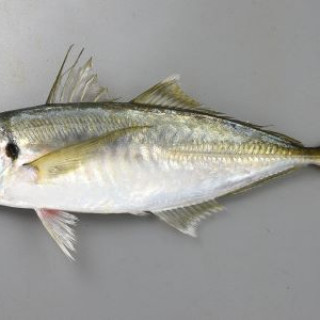
Aji (鯵), also known as horse mackerel, is a popular marine fish in Japan, belonging to the family Carangidae. It typically measures 20 to 30 cm in length and is a type of blue-backed fish. Aji has a beautiful sheen of silver and blue, with distinctive black spots along its sides. The best season for aji is mainly in summer, particularly from June to August, when it is at its tastiest. During this period, aji is rich in fat and has firm flesh, offering exceptional flavor. Aji is used in a variety of dishes, with its freshness highlighted in sashimi and sushi, which are very popular. It can also be enjoyed grilled with salt, dried, in nanbanzuke (a type of marinated dish), or tataki (lightly seared). Dried aji is easy to store and cook, making it a common choice in home cooking. Additionally, nanbanzuke, where fried aji is marinated in vinegar, soy sauce, and chili, offers a refreshing taste. Thus, aji is widely loved for its reasonable price and rich nutritional value, making it a staple in home cooking and izakaya menus. Its versatility in cooking methods and compatibility with various dishes add to its appeal.